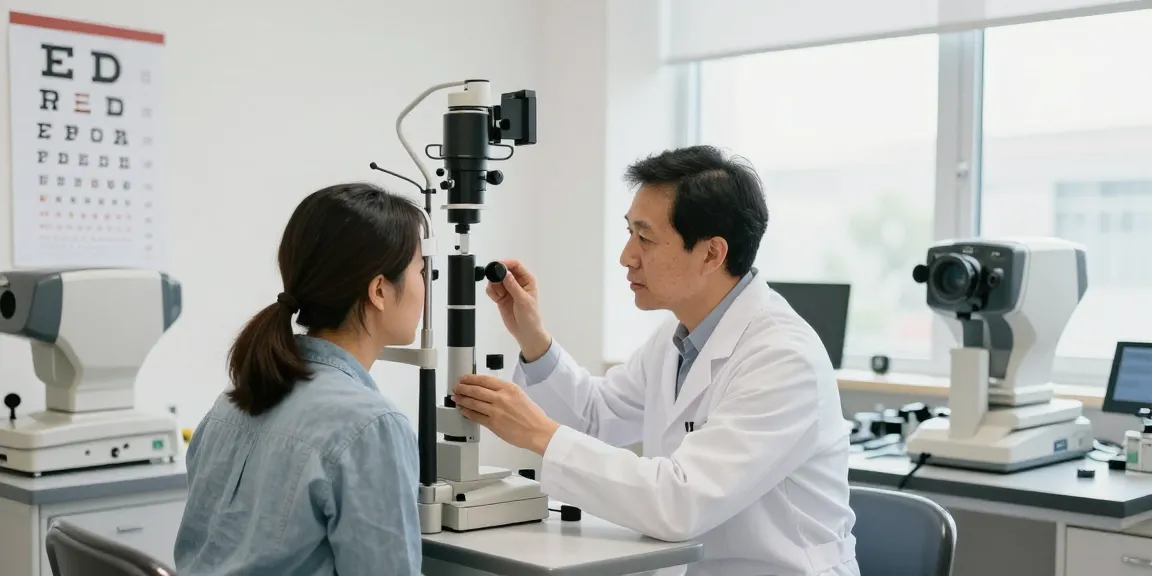
Understanding ตรวจสายตา: The Importance of Regular Eye Exams
Regular eye exams, or ตรวจสายตา, are essential for maintaining optimal vision and overall eye health. Many people overlook the significance of routine eye tests, often delaying them until a problem arises. However, proactive eye care can prevent serious conditions, enhance vision clarity, and even lead to early detection of systemic health issues. With advancements in eye care technologies and techniques, it’s crucial to stay informed about the best practices for regular checkups and to understand how they contribute to long-term eye health.
What is ตรวจสายตา?
ตรวจสายตา refers to comprehensive eye examinations designed to assess the functionality and health of your eyes. These exams typically include a series of tests that evaluate your vision, eye alignment, color perception, and other critical aspects of eye health. Understanding the components of an eye exam is crucial for making informed decisions regarding your eye care.
Key Benefits of Regular Eye Exams
- Early Detection: Regular eye exams can identify conditions such as glaucoma, cataracts, and macular degeneration before they become severe.
- Vision Correction: They help in determining the need for corrective lenses or other treatments, ensuring optimal vision.
- Overall Health Monitoring: Eye exams can reveal signs of systemic diseases like diabetes and hypertension, allowing for timely interventions.
- Personalized Care: Tailored recommendations based on individual eye health and lifestyle can significantly improve quality of life.
How Often Should You Get Your Eyes Checked?
Generally, adults should have their eyes examined every one to two years, depending on their individual health needs and risk factors. Those with chronic conditions or a family history of eye diseases may require more frequent checkups. Children also need regular eye exams to ensure proper vision development. For those considering eye care, ตรวจสายตา is a valuable option to explore.
Advanced Eye Tests Available at SNU Eye Clinic
Overview of the 52 Detailed Tests
SNU Eye Clinic offers a comprehensive program featuring 52 detailed tests categorized into seven areas. These tests assess various aspects of eye health, from visual acuity and refractive errors to more complex conditions. Each test is specifically designed to provide thorough insights into the health of your eyes and inform the best treatment plans available.
Innovative Technology in Eye Care
Utilizing cutting-edge technology, SNU Eye Clinic is at the forefront of modern eye care. Advanced imaging techniques, such as Optical Coherence Tomography (OCT) and Automated Perimetry, enable precise assessments of the retina and visual field, respectively. These innovations contribute to accurate diagnoses and tailored treatment strategies, ensuring that patients receive the highest standard of care.
Personalized Testing for Unique Needs
Every patient’s eyes are unique, and SNU Eye Clinic recognizes this with tailored testing protocols. Personalized assessments consider factors like age, lifestyle, and existing health conditions, allowing for comprehensive evaluations. This ensures that the treatment plan aligns seamlessly with individual needs and preferences, ultimately enhancing patient satisfaction and outcomes.
Choosing the Right Vision Correction Treatment
Understanding Your Options: ICL and Toric ICL
Vision correction options have evolved significantly in recent years, with Intracorneal Lens (ICL) and Toric ICL being leading choices. ICL is particularly beneficial for individuals who are not suitable candidates for LASIK due to high prescriptions or thin corneas. Toric ICL additionally addresses astigmatism, providing a comprehensive solution for various vision issues.
The 1:1 Vision Correction Approach
SNU Eye Clinic adopts a unique 1:1 vision correction approach, ensuring that each patient receives personalized attention throughout their journey. This method not only enhances the effectiveness of the treatment but also provides reassurance and support at every stage, from the initial consultation to post-operative care.
Success Rates and Patient Experiences
With over 50,000 surgeries performed, SNU Eye Clinic boasts impressive success rates, consistently achieving positive outcomes for patients. Testimonials from satisfied clients highlight the effectiveness of ICL and Toric ICL procedures, emphasizing the significant improvement in their quality of life and vision clarity. The confidence and satisfaction expressed by patients reinforce the clinic’s reputation as a leader in eye care.
Why SNU Eye Clinic Stands Out in Korea
Expertise and Experience: 50,000+ Surgeries Performed
The experience of the medical professionals at SNU Eye Clinic is unparalleled, with a track record of over 50,000 successful surgeries. This extensive background equips the staff with the knowledge and skills essential for addressing a wide array of eye conditions, making them a top choice for patients seeking reliable eye care.
Patient-Centered Care and Personalized Treatments
At SNU Eye Clinic, patient-centered care is a cornerstone of their practice. Every patient receives individualized attention, ensuring that their specific needs and concerns are addressed throughout their treatment. This personalized approach enhances patient experiences and fosters long-term relationships based on trust and mutual respect.
Testimonials from Satisfied Patients
Feedback from former patients frequently highlights their positive experiences at SNU Eye Clinic. Many share stories of life-changing improvements in vision and overall satisfaction with the care received. These testimonials serve as a testament to the clinic’s commitment to excellence and patient satisfaction.
The Future of Eye Care: Trends to Watch in 2026
Technological Advancements in Eye Health
The eye care landscape is rapidly evolving. As technology continues to advance, new treatments and diagnostic tools are being developed to enhance patient care further. Innovations like teleoptometry and enhanced imaging techniques are making eye care more accessible and efficient, paving the way for future advancements in the field.
Integrating AI in Vision Assessments
Artificial Intelligence (AI) is set to revolutionize the way eye examinations are conducted. AI-driven tools can analyze eye health data rapidly and accurately, identifying potential issues that may go unnoticed by human practitioners. This integration promises to elevate the standard of care, ensuring that patients receive timely and effective interventions.
Preparing for Your Next Eye Exam
To ensure a productive eye exam, it’s essential to prepare adequately. Be sure to bring relevant medical records, a list of medications, and any questions you may have. Additionally, understanding the procedures included in your examination will help you feel more comfortable and informed during your appointment.
What is the average cost of ตรวจสายตา?
The cost of a comprehensive eye exam can vary based on factors such as location, facility, and specific tests involved. Generally, you can expect to pay anywhere from $50 to $200 for an exam, depending on the services provided.
How long does an eye exam take?
Most eye exams last between 30 minutes to an hour, depending on the complexity of tests required and whether additional evaluations are necessary.
Can I undergo multiple tests in one visit?
Yes, many clinics offer to perform multiple tests in a single visit, especially if they are part of a comprehensive eye exam package. This can save you time and streamline your care.
What should I bring to my eye exam?
When attending an eye exam, it’s advisable to bring your eyeglasses or contact lenses, your medical history, a list of medications, and any questions regarding your eye care. This preparation ensures that your healthcare provider has all the necessary information to assist you effectively.
Are eye exams covered by insurance?
Many insurance plans cover routine eye exams, but coverage can vary. It’s recommended to check with your insurance provider for details regarding your specific plan and what services are included.